

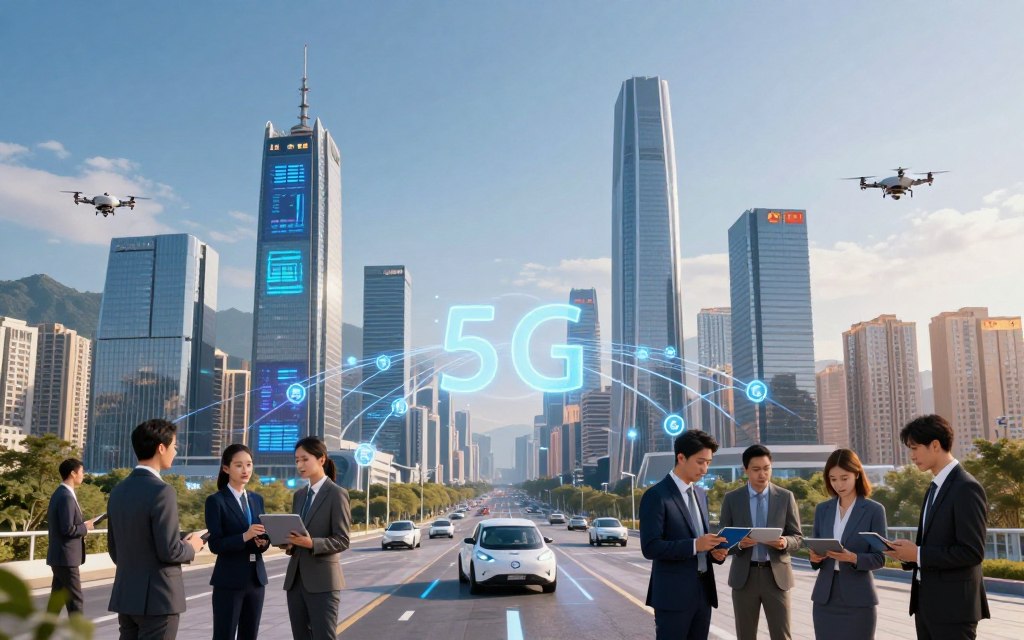
Does China have 5G technology? Yes, it has a large commercial network and leads in advanced mobile communications. Understanding this achievement requires examining network size, spectrum strategy, and equipment suppliers.
Its technical architecture and consumer adoption rates show the complexity of China mobile technology. Special private networks serve factories, ports, hospitals, and public services. These projects show the versatility of its advanced 5G infrastructure.
Comparing the China 5G network with the United States offers useful insight. Performance can vary by location, carrier, device, spectrum band, and network configuration. This article provides a broad view of the current state of mobile technology in this influential market.
Key Takeaways
- The country has established a large-scale commercial 5G network.
- Understanding its advancements requires examining multiple technical aspects.
- Private networks are being created for various industries and public services.
- Performance can differ based on various factors like location and carrier.
- A comparison with the U.S. provides a broader context for understanding progress.
The Current State of China’s 5G Infrastructure
China’s rapid growth in China 5G infrastructure reflects a coordinated national strategy for technological leadership. The country moved quickly from its first commercial licenses to broad nationwide service. This progress follows key stages in Chinese 5G deployment.
Timeline of China’s 5G Rollout
The 5G rollout timeline began with research, standards work, and commercial licenses in 2019. Major cities, including Beijing and Shanghai, received 5G networks before expansion reached smaller cities and rural areas in 2020. As of 2023, China had deployed over 1.5 million base stations, leading the world in 5G infrastructure.
Government Policies and Strategic Goals
China’s 5G rollout reflects strong government policies and a national 5G strategy. These policies align spectrum assignments, carrier investments, and local infrastructure development. Goals include stronger digital infrastructure, smart manufacturing, cloud computing, and artificial intelligence.
Yet high ambition needs measurable results. Assess coverage, capacity, and adoption rates, not only official targets, to ensure goals deliver tangible benefits for consumers and businesses.
| Year | Milestone | Details |
|---|---|---|
| 2019 | Commercial Licensing | Initial licenses granted to major telecom operators. |
| 2020 | Urban Rollouts | Launch of 5G services in key cities. |
| 2021 | Rural Expansion | Increased focus on rural connectivity. |
| 2023 | Base Station Deployment | Over 1.5 million base stations installed nationwide. |
Does China Have 5G Technology? The Short Answer
The question “does china have 5g technology” has a clear answer: yes. China has 5G technology and one of the world’s largest commercial 5G markets. China Mobile, China Unicom, and China Telecom provide extensive commercial 5G service in China. Consumers can use it with compatible smartphones and service plans that fit their needs.
Access to China 5G availability varies by region because infrastructure and frequency bands differ. This change reflects ongoing network growth and expansion. It helps more consumers enjoy faster, more reliable mobile connections.
Related Posts:
- How to Learn Blockchain Technology: A Beginner’s…

- Imperium Technologies Explained: What Is the Company…

- Blockchain Technology: Key Characteristics and What…

- How Does Wireless Technology Work The Science of…

- What Is Critical Technology Essential Systems and Security

- How Far Has Technology Come A Journey Through Innovation

Chinese 5G technology reflects both independent development and international partnerships. Chinese companies like Huawei and ZTE made major contributions, developing radio equipment and core network technologies. Global collaboration, especially through organizations like 3GPP, created the broader standards governing 5G technology.
“The advancement of 5G technology in China is a testament to the country’s commitment to innovation and development.”
In conclusion, China has made major progress in developing its own 5G technology. Still, the industry remains collaborative and includes many international stakeholders.
Key Players Driving China’s 5G Expansion
China’s 5G expansion is driven by key industry players, including Huawei and ZTE. Huawei 5G solutions and ZTE 5G equipment help build this infrastructure. These companies also shape global views of 5G technology and network growth.
Huawei Technologies
Huawei plays a pivotal role in China’s 5G development. As a leading supplier of radio-access equipment and core-network products, Huawei has helped build essential infrastructure. Despite export restrictions in some countries, Huawei continues to thrive within China with innovative solutions for enterprise and consumer markets.
ZTE Corporation
ZTE is another key player in China’s 5G landscape. Known for its 5G equipment, ZTE focuses on wireless infrastructure, core networks, and optical systems. ZTE has made significant strides in carrier and industrial deployments, improving China’s 5G network efficiency and reliability.
China Mobile, China Unicom, and China Telecom
The three national operators—China Mobile, China Unicom, and China Telecom—are crucial to China’s 5G success. The largest mobile carrier by subscriber scale, China Mobile, makes major investments in China Mobile 5G. China Unicom 5G and China Telecom 5G support network sharing and spectrum utilization, improving their service offerings.
China’s 5G expansion depends on more than these three carriers. A successful rollout needs an ecosystem of device manufacturers, semiconductor suppliers, cloud providers, systems integrators, local governments, construction contractors, and industrial customers.
| Company | Role in 5G | Key Contributions |
|---|---|---|
| Huawei Technologies | Supplier of network equipment | Radio-access and core-network products |
| ZTE Corporation | Infrastructure provider | Wireless and optical systems |
| China Mobile | Largest carrier | Major 5G investor |
| China Unicom | Network sharing | Spectrum utilization |
| China Telecom | Service provider | Enterprise services and cloud integration |
Technical Capabilities and Network Architecture
China’s 5G network architecture marks a major advance in mobile technology. Its structure explains how the system supports advanced services and applications. This section covers standalone and non-standalone 5G, network slicing, and edge computing.
Standalone vs. Non-Standalone 5G Networks
Standalone 5G, often called standalone 5G China, works without existing 4G infrastructure. It supports ultra-reliable, low-latency communication and improves network efficiency. This design supports demanding industries, including autonomous vehicles and smart manufacturing.
Non-standalone 5G uses existing 4G LTE networks with new 5G radio equipment. This hybrid design enables faster deployment and an easier transition for users. However, it may not unlock 5G’s full potential because older 4G technology limits it.
Network Slicing and Edge Computing
Network slicing lets operators create several virtual networks on one physical infrastructure. Each slice can serve a specific application with dedicated resources and performance levels. This flexibility helps enterprises build custom solutions for different operational needs.
Edge computing China supports network slicing by moving data processing closer to end users. Resources near connected devices reduce latency and speed data transfer. This matters for real-time video analytics and remote monitoring, where delays can hurt performance.
Performance Metrics: Speed, Latency, and Capacity
When discussing 5G, metrics such as 5G speed and latency, plus capacity, are vital. Theoretical peak speeds can reach up to 10 Gbps, but real-world results vary for several reasons:
- Spectrum availability: Different frequency bands offer varying levels of performance.
- Network congestion: High user demand can slow down speeds.
- Device hardware: The capabilities of user devices affect overall performance.
- Backhaul connections: The quality of the backhaul network influences speed and latency.
- Signal conditions: Physical barriers and distance from base stations can impact connectivity.
Understanding these factors helps users and industries set realistic expectations when adopting 5G technology.
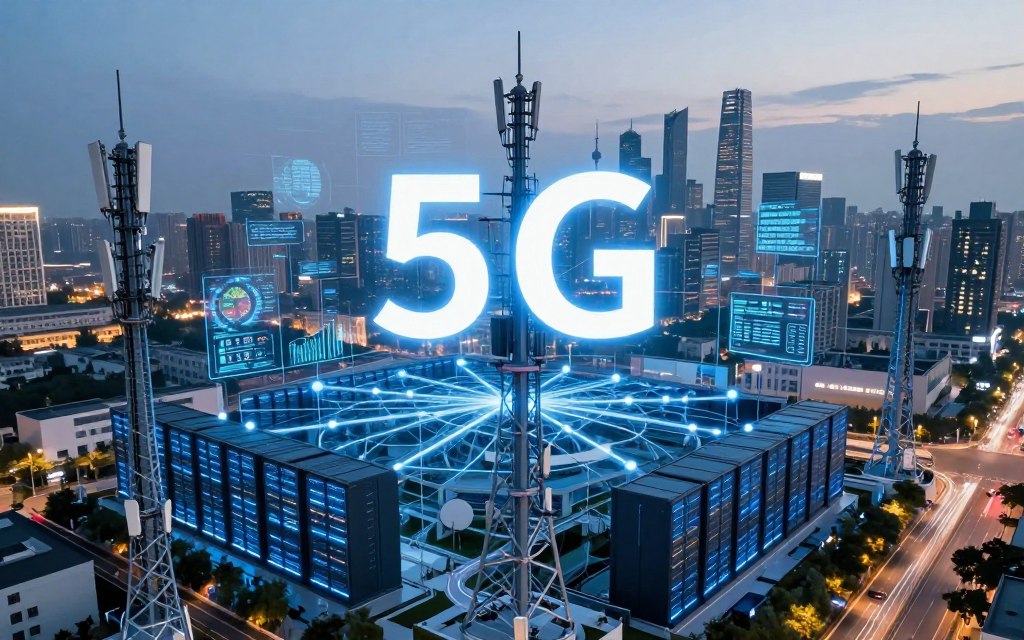
5G Spectrum Allocation and Frequency Bands in China
Understanding spectrum allocation helps assess China’s 5G network. Frequency band management shapes mobile technology’s performance and reach. This section examines China 5G spectrum, focusing on sub-6 GHz frequencies and millimeter-wave deployment.
Sub-6 GHz Frequencies
The sub-6 GHz 5G frequencies balance coverage, building penetration, and capacity. These mid-band frequencies support broad urban and regional deployment, making widespread 5G access possible. Unlike higher frequencies, they need fewer sites for efficient network coverage.
China’s spectrum arrangements differ from those in the United States, so comparisons need care. These 5G frequency bands connect urban and rural areas, helping diverse users benefit from 5G technology.
Millimeter Wave Deployment Status
On the other hand, millimeter-wave 5G China frequencies deliver very high capacity and low latency over short distances. However, these frequencies face greater effects from obstacles, distance, and weather-related signal conditions. Thus, they suit specific sites, such as stadiums and factories, but not nationwide coverage.
Millimeter-wave technology is especially useful in transportation hubs and fixed wireless access points. This targeted strategy shows why 5G needs several approaches, separating commercial deployment from trials and experimental use.
Coverage Statistics and Deployment Speed
China 5G coverage shows how quickly its network has expanded. China now has a staggering number of 5G base stations, which help expand the network.
These stations are placed to reach more people, especially in crowded cities. This broad rollout gives millions of users stronger connections and faster data speeds.
The number of 5G base stations in China now exceeds 1 million nationwide. This total includes site types such as urban towers and shared infrastructure reported by regulators and operators. These stations give major metropolitan areas robust coverage, while China rural 5G service also improves significantly.
Base Station Numbers and Geographic Reach
The scale of China’s 5G network is remarkable, especially in densely populated eastern urban regions. One infrastructure investment can serve many users there. Remote western and mountainous areas cost more to cover and have lower demand.
Urban vs. Rural Connectivity Gaps
Despite rapid rollout, a clear urban-rural connectivity gap remains. Backhaul access, terrain, power supply, and device access all widen this gap. Urban 5G connectivity benefits from more investment and infrastructure, while rural regions face affordability problems and lower local demand.
| Region Type | Base Stations | Coverage (%) |
|---|---|---|
| Urban Areas | 800,000 | 90% |
| Suburban Areas | 150,000 | 70% |
| Rural Areas | 50,000 | 30% |
China 5G coverage is expanding quickly, but the urban-rural divide remains a major challenge. Continued efforts are needed to improve China rural 5G and help all regions benefit from mobile technology.
Comparison: China’s 5G vs. United States 5G Networks
The China vs. U.S. 5G landscape shows clear differences between the two national networks. Both countries invest heavily in 5G, but their methods and results differ widely.
Subscriber numbers and 5G adoption rates show this difference. As of 2023, China had over 1.6 billion 5G subscribers, while the United States had around 100 million. Government programs and large telecom operators helped drive China’s rapid 5G adoption rates.
Subscriber Numbers and Adoption Rates
China’s fast 5G infrastructure rollout helped consumers adopt the service sooner. Government support expanded coverage across urban and rural areas. By contrast, several U.S. carriers compete for customers, making adoption more gradual.
Investment Levels and Infrastructure Spending
5G infrastructure investment shows how the countries use different strategies. China’s state-led model supports major public funding and coordination among telecom companies. Reports say China invested over $200 billion in its 5G network, emphasizing 5G infrastructure investment across sectors.
The U.S. also invests heavily, but its approach is decentralized. Private companies like Verizon and AT&T spend billions building robust networks. Geography, spectrum costs, and labor affect costs, while competition can create fragmented coverage.
Innovation in Network Applications
Innovation also separates the two countries. China targets large-scale projects, including smart cities and connected factories, showing China 5G innovation across sectors. Combining 5G with AI and IoT is changing industries quickly.
The U.S. focuses on private industrial networks and logistics solutions. These systems aim to improve efficiency in manufacturing and supply chains. Both nations advance 5G applications, but their priorities and business models differ.
Ultimately, a larger network does not always provide better consumer performance. The U.S. 5G network and Chinese carriers use different bands and use cases. For a deeper analysis of this competition, read this detailed exploration.
Applications and Use Cases Transforming Industries
China’s 5G technology does more than speed mobile downloads. It is changing smart manufacturing China, autonomous vehicles, healthcare, and smart cities. These uses show how connected systems can make industries more efficient and responsive.
Smart Manufacturing and Industrial IoT
In smart manufacturing, 5G connects machines, sensors, and automated systems. This connection supports real-time monitoring and data analysis, which improve production efficiency. For example, private 5G networks can connect robots, automated guided vehicles, and production-control systems.
With 5G industrial IoT, manufacturers can improve workflows, reduce downtime, and raise productivity. 5G’s low latency and high bandwidth support rapid data transfer and immediate production-line adjustments. Factories can then respond faster to changing demands.
Autonomous Vehicles and Smart Transportation
The development of 5G autonomous vehicles is a major application. These vehicles use vehicle-to-everything (V2X) communications to connect with roads, traffic management systems, and logistics hubs. This connection improves road safety and efficiency.
5G provides infrastructure for autonomous driving, but full autonomy remains a work in progress. Current systems assist drivers and improve safety through real-time data sharing.
Healthcare and Remote Surgery
In healthcare, 5G healthcare solutions are changing patient care. Remote diagnostics and connected medical devices help providers monitor patients more effectively. For example, 5G ambulances can send vital patient data to hospitals before arrival, streamlining emergency care.
Remote surgery is gaining traction because it requires a reliable, low-latency connection. With proper equipment and regulatory approval, surgeons can perform procedures from a distance. This could greatly improve healthcare access and efficiency.
Smart Cities and Public Services
5G helps create smart cities China, including smart cities in China. It strengthens public safety through connected surveillance systems and environmental monitoring. Utilities can improve operations, energy efficiency, and service delivery.
Public transit systems use real-time data to manage services better and reduce wait times. When combined with cloud computing, artificial intelligence, and edge platforms, 5G helps cities work efficiently. This makes daily life easier for residents.
5G applications extend far beyond telecommunications. They are reshaping industries through smarter, more connected environments. As these technologies evolve, they promise unprecedented benefits to society.
Challenges and Limitations Facing China’s 5G Network
China 5G challenges affect its ambitious rollout. The country has made major advances in mobile technology, but technical hurdles remain. 5G energy consumption is a key concern. 5G radios and cooling systems can dramatically increase electricity demand, requiring efficient hardware and better network management.
Dense 5G base-station sites can make indoor coverage and backhaul capacity harder to manage. Interference, device compatibility, and maintenance issues could also slow deployment.
Connected devices create a larger attack surface, increasing cybersecurity risks. 5G cybersecurity protects consumer devices, industrial systems, and cloud integration. This raises concerns about China data privacy, consumer information governance, cross-border transfers, and surveillance.
5G investment sustainability remains difficult because high capital and operating costs, plus uncertain consumer upgrade returns, create pricing pressure. Converting industrial pilots into profitable long-term services is essential, but large infrastructure investments do not guarantee immediate financial returns. Carriers must balance national development goals with commercial viability.
“Navigating the complexities of 5G deployment, China encounters numerous challenges.”
Geopolitical Implications and Global Influence
China’s rapid 5G advances shape global politics and increase China 5G global influence. As China improves its telecommunications infrastructure, it promotes 5G technology exports to developing nations. This strategy builds diplomatic ties and creates economic dependencies, not just market growth.
Export of 5G Technology to Developing Nations
China exports 5G technology, including network equipment, smartphones, and digital infrastructure. Financing arrangements often help developing countries adopt these products and systems. Costs, security concerns, and relationships with local operators influence adoption decisions.
U.S.-China Technology Competition
The U.S.-China technology competition has intensified, especially over 5G. This rivalry covers supply-chain security, export controls, and access to semiconductors.
The U.S. has restricted Chinese companies like Huawei, citing national security risks. These restrictions affect Huawei global 5G partnerships, complicate other partnerships, and affect global supply chains.
Standards Setting and International Influence
Countries develop 5G international standards through collaborative processes. China’s large home market and active companies increase its influence in these discussions.
However, influence in standards bodies does not mean one country controls global standards. Companies from many nations submit technical proposals and patents, making standard setting a global effort.
| Aspect | China | United States | Global Influence |
|---|---|---|---|
| 5G Technology Exports | Extensive, especially to developing nations | Restrictive, focusing on allies | Varied based on partnerships |
| Standards Influence | Growing due to market size | Established, but challenged | Collaborative and competitive |
| Security Concerns | Addressed through diplomacy | Heightened restrictions | Impact on global partnerships |
In conclusion, China’s role in global telecommunications is expanding rapidly, led by its 5G technology. This growth affects technology standards, international relations, and economic partnerships. For further insights, refer to this resource.
Conclusion
China’s advances in 5G technology make it a leader in the global mobile landscape. The evidence answers does china have 5g technology: yes, China’s network is extensive and strategically vital. Major carriers like China Mobile and Huawei invested heavily in infrastructure, ensuring large-scale commercial availability for consumers.
The deployment of advanced 5G networks includes broad sub-6 GHz frequencies and a growing number of standalone capabilities. These developments support new applications across industries, including smart manufacturing and healthcare. However, energy consumption, profitability, cybersecurity, and rural access remain challenges.
Assessing the future of China 5G requires more than counting base stations or subscribers. It also requires examining reliability, real-world speeds, and overall enterprise value. The China mobile technology outlook points toward private networks and edge computing, including artificial intelligence and 6G research.
As China develops its 5G landscape, it remains central to the future of mobile technology. This progress will shape domestic capabilities and influence global standards and practices.